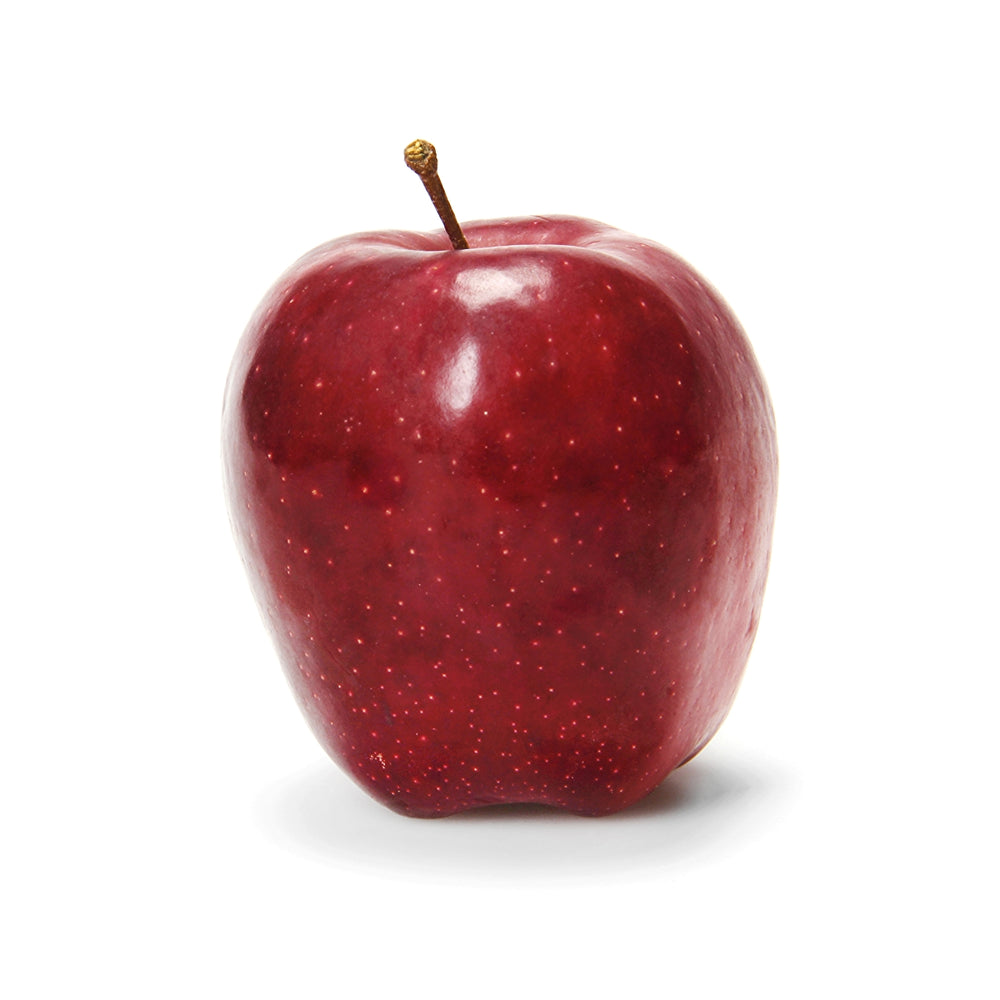
The Secret Life of Apples: Unveiling Their Hidden Mysteries
Apples, one of the most widely cultivated and consumed fruits in the world, possess a fascinating array of hidden mysteries that often go unnoticed. Not only are these crisp, juicy delights rich in antioxidants, but they also contain a unique phytochemical called quercetin, which has been linked to numerous health benefits, including enhanced immunity and reduced inflammation. In addition to their nutritional value, apples have interesting cultural and historical significance. For instance, did you know that the earliest records of apple cultivation date back over 4,000 years in Central Asia? Today, there are over 7,500 different varieties of apples grown globally, each with its distinct flavor profile and use.
Furthermore, the secret life of apples extends beyond their taste and health advantages. The fruit plays a vital role in sustainable agriculture, as apple trees can thrive in a variety of climates and soil types. When planted strategically, they also contribute to the biodiversity of orchards, supporting various pollinators and other wildlife. In recent years, the emphasis on organic farming has increased the demand for locally grown apples, pushing farmers to adopt innovative practices. Understanding the intricate relationship between apples, their environment, and our health not only illuminates their extraordinary nature but also encourages us to savor them in our daily diets.
Counter-Strike is a highly popular tactical first-person shooter (FPS) game that pits two teams against each other: the terrorists and the counter-terrorists. Players can choose different weapons and strategies to complete objectives, such as planting or defusing bombs. For gamers using a MacBook Air, having the right gear can enhance the experience. Check out the Top 10 macbook air accessories to optimize your gaming setup!
Are Apples More Than Just a Snack? Exploring Their Symbolism and History
Apples have transcended their role as merely a nutritious snack, embodying rich symbolism throughout history. Often associated with knowledge and temptation, apples have played a pivotal role in various cultural narratives. From the biblical story of Adam and Eve, where the apple represents the forbidden fruit of knowledge, to its presence in Greek mythology, symbolizing immortality and harmony, the apple's significance is profound. Notably, orchards have been symbols of abundance in literature, further enhancing the apple's iconic status in human history.
Beyond their cultural significance, apples have a fascinating historical journey. They were domesticated thousands of years ago in Central Asia and have since spread worldwide, adapting to various climates and tastes. This adaptability has led to the cultivation of thousands of varieties, each with distinct flavors and uses. Furthermore, the apple's influence on agriculture and commerce cannot be understated; it has shaped economies and dietary practices for centuries. As we explore the depths of the apple's history, we uncover its impact not just as a healthy snack but as a cultural icon that continues to inspire and nourish.
What Makes Apples So Versatile? From Health Benefits to Culinary Uses
Apples are often celebrated for their versatility, a trait that stems from their diverse range of health benefits and culinary uses. Rich in dietary fiber, vitamins like Vitamin C, and a wealth of antioxidants, apples contribute to improved digestion, enhanced immune function, and reduced risk of chronic diseases. Moreover, their low calorie count makes them an ideal snack for those looking to maintain a healthy weight. According to a study published in the Journal of Nutrition, incorporating apples into your diet can lead to significant health improvements, reinforcing the notion that these fruits truly deserve their place in the health-conscious individual’s grocery list.
Beyond their health benefits, apples shine in the kitchen due to their remarkable adaptability. Used in both sweet and savory dishes, they can be enjoyed raw, baked, stewed, or even juiced. Here are just a few popular culinary uses for apples:
- Raw Snacks: Simply wash and slice, perfect for lunchboxes.
- Salads: Add crunch and sweetness to green salads or grain bowls.
- Desserts: From classic apple pie to crisps, they are the star in many desserts.
- Sauces: Cook down apples to create delicious sauces that can accompany meats.
Thus, the adaptability of apples makes them a beloved ingredient in many kitchens across the world.