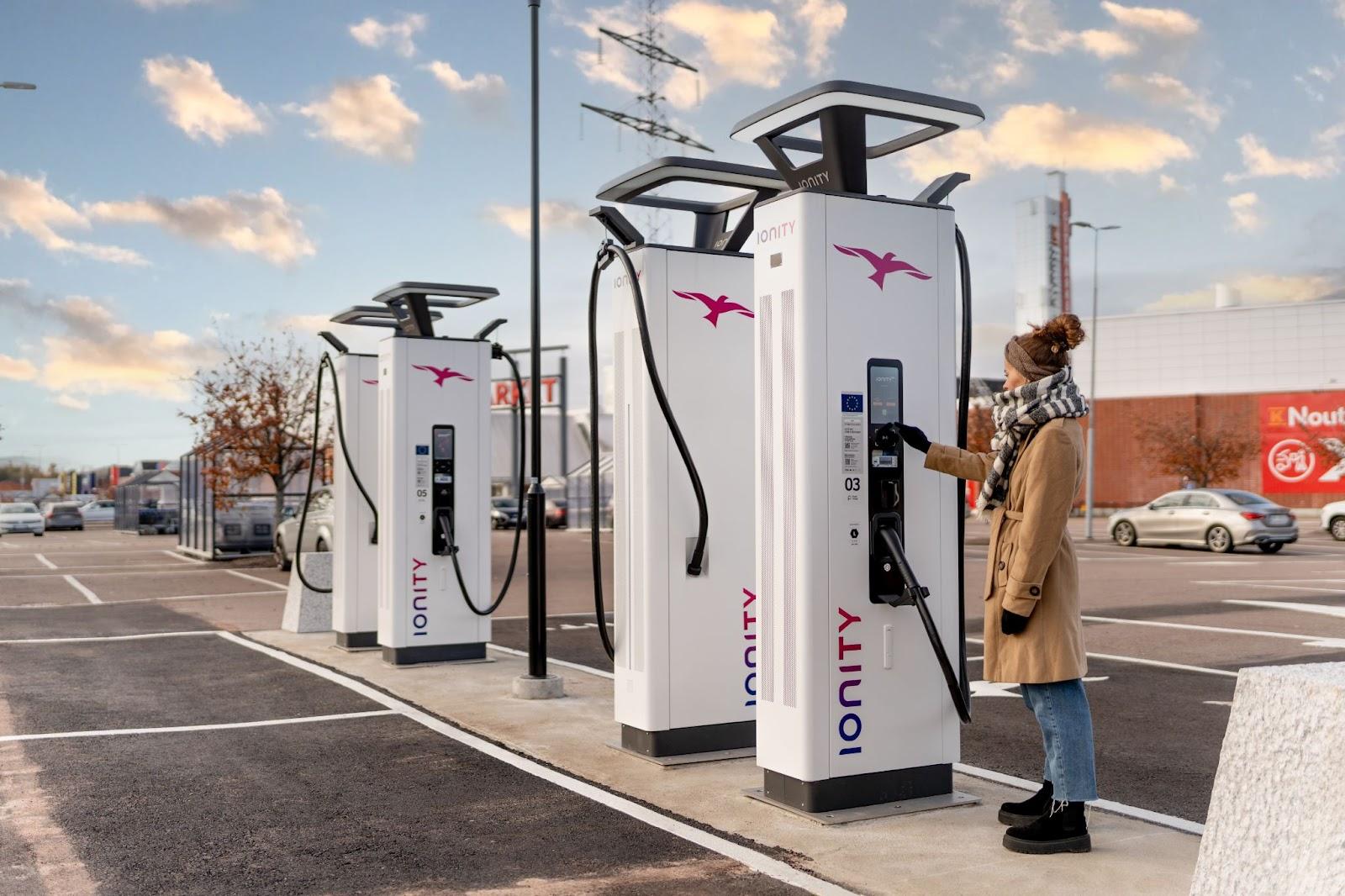
Exploring the Technology Behind Fast Charging: How It Works
Fast charging technology has revolutionized the way we power our devices, significantly reducing the time it takes to recharge smartphones, tablets, and electric vehicles. At the core of this technology is high-voltage charging, which allows for increased power transfer without overheating components. By leveraging sophisticated algorithms and advanced battery management systems, manufacturers can optimize the charging process. These systems manage the energy flow, adjusting the voltage and current based on the battery's state of charge to ensure safe and efficient charging.
One of the most common techniques used in fast charging is adaptive charging, which involves the use of protocols like Qualcomm's Quick Charge and USB Power Delivery (USB PD). These protocols dynamically adjust the charging parameters based on the battery's temperature and capacity. As a result, users can enjoy longer-lasting battery life while minimizing battery degradation. As this technology continues to evolve, we can expect even faster charging solutions on the horizon, significantly enhancing the user experience for all portable electronic devices.
Counter-Strike is a highly popular first-person shooter game that has captivated gamers worldwide since its launch. The game pits two teams, terrorists and counter-terrorists, against each other in various objective-based scenarios, such as bomb planting and hostage rescue. Players must strategize, work as a team, and utilize their skills to outmaneuver opponents and achieve victory. For those looking to power up their gaming experience, check out the Top 10 Fast Chargers for Android Devices to ensure your devices are always ready for action.
The Evolution of Charging Speed: From Hours to Minutes
The evolution of charging speed has transformed significantly over the past few decades, transitioning from the hours it once took to charge a device to the mere minutes we experience today. In the early days of portable electronics, charging times were often a source of frustration, with many devices taking anywhere from several hours to overnight to fully recharge. With the proliferation of smartphones, laptops, and tablets, the demand for quicker charging solutions surged. Innovations in battery technology, such as lithium-ion batteries, paved the way for more efficient energy storage, enabling users to get back to their devices faster. This evolution in charging speed not only caters to user convenience but also reflects ongoing advancements in energy technology.
As technology progressed, manufacturers began to implement rapid charging technologies, such as Fast Charge and Quick Charge, which significantly reduced charging times even further. Today, devices can achieve a full charge in less than an hour, with some cutting-edge solutions allowing for approximately 50% charge in just 15 minutes. This dramatic improvement has not only enhanced user experience but has also spurred competition among tech companies to innovate faster and safer charging methods. Looking ahead, the future of charging speed promises even greater advancements, with wireless charging technologies and ultra-fast methods that may one day provide full charges in the blink of an eye.
Fast Charging Safety: Myths and Facts You Should Know
Fast charging technology has revolutionized the way we use and charge our electronic devices, but with its convenience comes a number of myths and facts that every consumer should be aware of. One common myth is that using a fast charger will damage your battery. In reality, most modern devices are designed to handle fast charging safely. They come equipped with built-in safeguards that regulate power flow, ensuring that the battery receives the optimal amount of energy without overheating. According to experts, these safety mechanisms prevent potential risks associated with fast charging, so users can rest assured that their devices are protected.
Another prevalent misconception is that fast charging is fundamentally risky. While it's true that charging at higher rates can generate heat, moderating temperature remains essential for battery health. To help clarify, here are some facts about fast charging safety:
- Fact 1: Using the manufacturer-recommended charger ensures compatibility and safety.
- Fact 2: Fast charging does not decrease battery life when done properly.
- Fact 3: Many smartphones optimize charging speeds, tapering off the current as the battery approaches full capacity.
By understanding these myths and facts, users can make informed choices that balance convenience with safety.