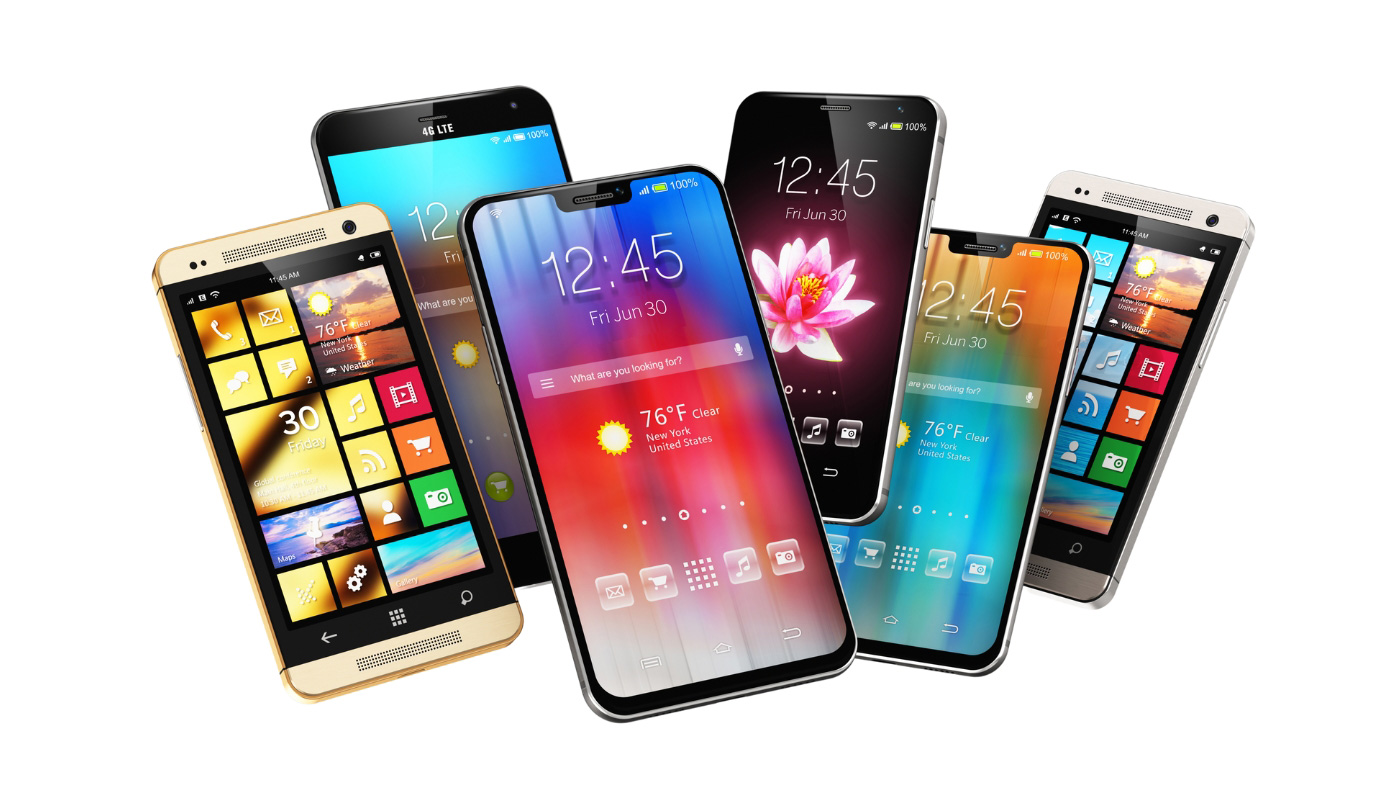
The Impact of Mobile Technology on Personal Storytelling
The advent of mobile technology has revolutionized the way we engage in personal storytelling. With smartphones and social media platforms readily available, individuals can now share their stories in real-time, reaching a broader audience than ever before. This accessibility has empowered people to narrate their experiences instantly, utilizing various formats such as video, audio, and text. As a result, storytelling has become more diverse and inclusive, allowing voices from different backgrounds and cultures to resonate globally.
Moreover, mobile technology offers unique tools and applications that enhance the storytelling process. For instance, users can create visually appealing content with user-friendly editing apps and share it through social networks, effectively making personal narratives more engaging. Additionally, the integration of augmented reality (AR) and virtual reality (VR) experiences into mobile storytelling opens up new dimensions for creators, allowing them to immerse their audiences in their narratives. As mobile technology continues to evolve, it is clear that its impact on personal storytelling will only grow, shaping how stories are told and received in the digital age.
Counter-Strike is a popular multiplayer first-person shooter game that has captivated gamers worldwide. The game emphasizes teamwork and strategy, where players can choose to play as either terrorists or counter-terrorists in various game modes. For those looking to enhance their gaming experience, consider checking out the Top 10 iphone 17 accessories that can provide useful tools and gadgets for mobile gamers.
Behind the Screen: How Our Devices Influence Daily Narratives
In today's digital age, our devices play a pivotal role in shaping the daily narratives we create and consume. From smartphones to laptops, these tools influence how we perceive the world around us. As we scroll through our social media feeds, each post contributes to our understanding of events, our interactions with others, and even our emotional responses. This phenomenon can lead to a distorted reality, where curated highlights overshadow the mundanity of everyday life. Consequently, the stories we tell ourselves and share with others are often colored by the content we encounter online.
Moreover, the influence of technology extends beyond mere content consumption. It affects our communication styles, our ability to engage with different perspectives, and even the narratives we choose to prioritize in our discussions. For example, a single tweet or viral video can spark global debates, shaping public opinion and altering perceptions almost instantaneously. As such, it is crucial to recognize how behind the screen, our devices not only reflect but also construct the narratives that guide our daily lives.
What Stories Do Our Phones Hold? Exploring the Digital Age of Communication
In the digital age of communication, our phones have become more than just devices for making calls. They are repositories of our lives, holding countless stories and moments that shape our identities. From the endless stream of text messages to the abundant photos capturing our adventures, our smartphones narrate the history of our friendships, relationships, and personal growth. Each notification, each ping, unveils a chapter of our daily lives, marking milestones such as birthdays, anniversaries, and spontaneous gatherings that we capture and share with the world.
Moreover, these devices allow us to connect with others in unprecedented ways. Whether through social media platforms, video calls, or instant messaging applications, our phones facilitate communication that transcends geographical barriers. As a result, we build communities and share experiences that foster relationships, both old and new. In this context, the stories within our phones are not just about individual experiences; they represent the collective narrative of a generation navigating the digital age of communication.