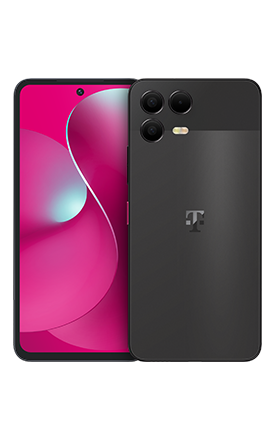
The Evolution of Mobile Devices: How They Became Essential Lifelines in Our Lives
The evolution of mobile devices has significantly transformed the way we communicate, work, and live. From the first bulky mobile phones that offered little more than voice calling to today's smartphones that serve as powerful mini-computers, these devices have become essential lifelines in our daily lives. Not only do they keep us connected with family and friends, but they also provide access to a vast array of services and information at our fingertips. This shift began in the early 2000s with the introduction of feature phones capable of sending texts and playing simple games, leading to the groundbreaking launch of the iPhone in 2007, which truly defined the smartphone era.
As technology advanced, so did the capabilities of mobile devices. Today's smartphones boast features such as high-resolution cameras, advanced security measures, and compatibility with various applications that cater to our every need. Mobile devices have integrated effortlessly into our personal and professional lives, enabling instant communication through social media, email, and messaging apps. According to recent studies, approximately more than 80% of the global population now owns a mobile phone, highlighting their role as essential lifelines. As we look ahead, it is clear that mobile devices will continue to evolve, shaping the future of how we connect and interact.
Counter-Strike is a popular multiplayer first-person shooter game where players assume the roles of terrorists and counter-terrorists. It requires teamwork, strategy, and quick reflexes to secure victory. Many gamers often seek to enhance their gaming setup, and one way to do so is by investing in practical accessories. For example, you can check out the Top 10 magsafe wallets that not only provide functionality but also style.
10 Ways Mobile Devices Have Transformed Daily Communication and Connectivity
Mobile devices have revolutionized the way we communicate and stay connected in our daily lives. One significant transformation is the emergence of instant messaging apps, which allow users to send text, images, and videos in real-time. This technological advancement has effectively replaced traditional SMS, offering features that enable group chats and the sharing of multimedia content. Additionally, social media platforms on mobile devices have made it easier than ever to share life updates and stay in touch with friends and family, resulting in stronger relationships and a more connected community.
Moreover, mobile devices have enhanced our ability to access information and communicate across distances. Through applications like email, video calls, and collaboration tools, individuals can conduct business meetings or personal conversations from virtually anywhere. This has been particularly crucial in a world that increasingly values remote working solutions. As a result, mobile devices represent a shift towards *greater accessibility* and *immediacy* in communication, demonstrating how they have fundamentally changed our daily interactions.
Are We Truly Dependent on Our Mobile Devices? Exploring the Impact on Daily Life
In today's fast-paced world, the question arises: Are we truly dependent on our mobile devices? From morning alarms to navigation and social media interactions, these handheld gadgets have seamlessly integrated into our daily routines. Studies indicate that the average person checks their phone over 100 times a day, highlighting the profound effect it has on our communication patterns and social interactions. This dependency not only shapes the way we connect with others but also influences our productivity and mental well-being.
The impact of mobile devices extends beyond mere convenience; it affects our cognitive functions and attention spans. Research shows that constant notifications and the instant gratification from social media can lead to increased anxiety levels and decreased focus. As we rely heavily on these devices for information and entertainment, we must consider the potential consequences—such as diminished face-to-face interactions and a reduced ability to engage in deep, meaningful conversations. Reflecting on these effects may help us understand the balance we need to strike in our technology-driven lives.