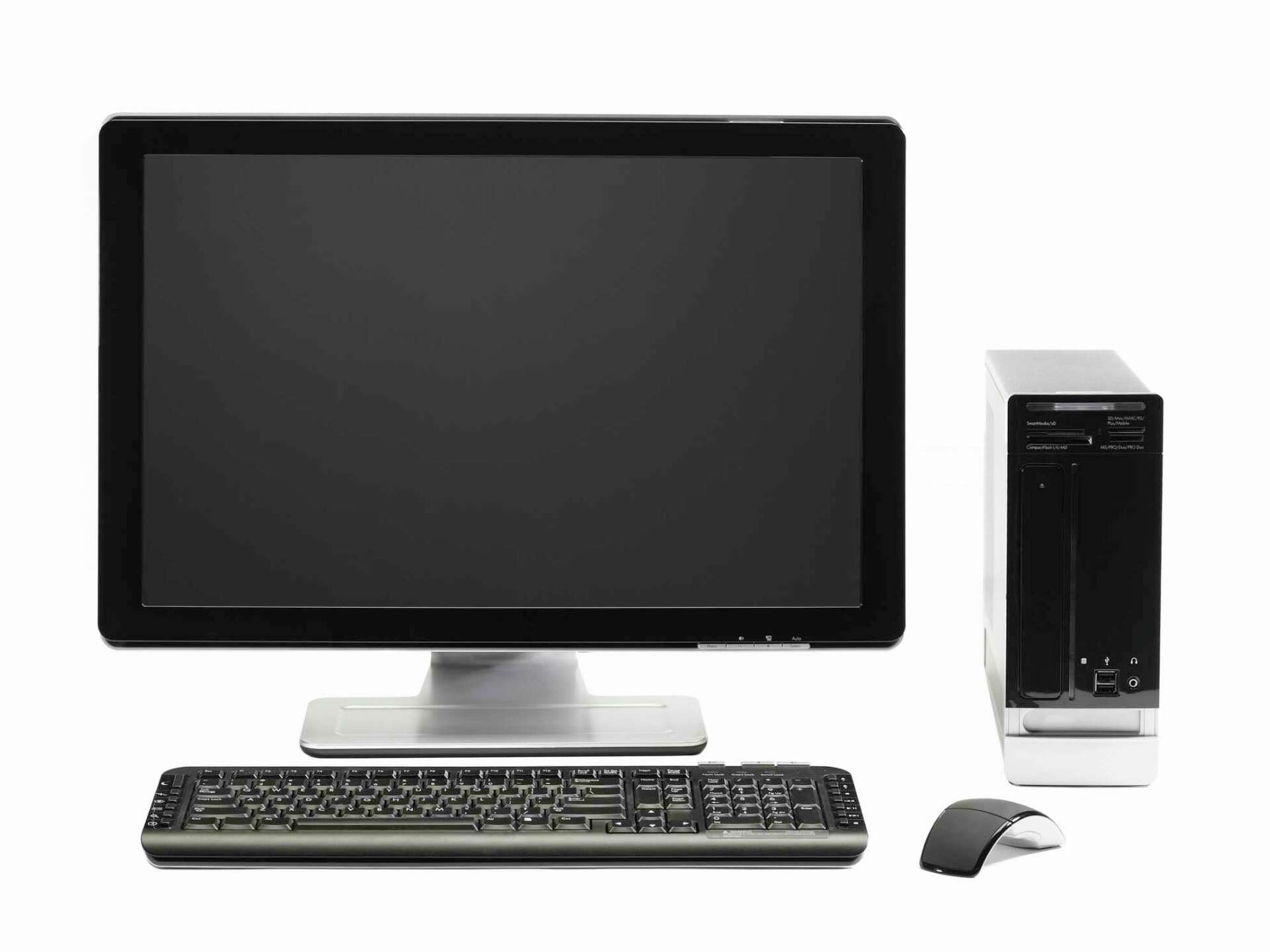
How Computers Shape Our Everyday Experiences: A Deep Dive
In today's fast-paced world, computers play a pivotal role in shaping our everyday experiences. From the moment we wake up to the time we go to bed, we rely on technology powered by computers for a myriad of tasks. For instance, our day often starts with checking the weather or reading news updates on our smartphones, both of which are computer-based systems. Moreover, the rise of smart home devices, such as thermostats and security cameras, further demonstrates how computers streamline our daily routines by allowing us to control our environments effortlessly.
Beyond simplifying daily chores, computers significantly enhance our connectivity and social interactions. With the advent of social media platforms and instant messaging apps, individuals can connect with friends and family irrespective of geographical barriers. This digital communication not only fosters relationships but also opens up avenues for networking and professional growth. As we delve deeper into the myriad ways computers influence our lives, it becomes evident that they are not just machines; they are integral parts of our existence, altering the way we learn, work, and communicate.
Counter-Strike is a popular tactical first-person shooter game that has become a staple in the competitive gaming scene. Players engage in team-based combat, often requiring strategic planning and quick reflexes. To enhance gameplay, various gear and accessories can improve performance; for example, you might want to check out the Top 10 Laptop Accessories to Prevent Overheating to ensure your gaming laptop runs smoothly during intense matches.
The Role of Computers in Modern Problem Solving: Unrecognized Heroes
In today's fast-paced world, computers have emerged as the unsung heroes in the realm of problem solving. They provide unparalleled speed and accuracy, allowing us to tackle complex challenges that were once insurmountable. Data analysis, for example, has been revolutionized by computers; vast volumes of information can now be processed in mere seconds, revealing insights that guide decision-making across various fields, from healthcare to finance. The ability to simulate scenarios using computational models has empowered professionals to foresee potential outcomes and devise effective strategies, ultimately saving both time and resources.
Moreover, the role of computers extends beyond mere calculations; they foster collaboration and innovation in diverse sectors. With the rise of cloud computing, teams can now work together in real-time, sharing ideas and solving problems regardless of geographical barriers. This interconnectedness has led to the emergence of interdisciplinary teams that leverage the unique strengths of each member, resulting in solutions that are both comprehensive and sustainable. In essence, the presence of computers in modern problem solving is not always celebrated, yet they remain integral facilitators of progress, symbolizing a profound shift in how we approach challenges.
What Would Life Be Like Without Computers?
Imagining a world without computers evokes a sense of nostalgia for simpler times, yet it also highlights the immense role technology plays in our daily lives. Without computers, communication would revert to traditional methods like handwritten letters or face-to-face conversations, significantly slowing the pace of progress. The vast array of services we take for granted, such as online banking, shopping, and social media, would vanish, forcing society to adapt to a more labor-intensive way of living. Education would also face substantial challenges, with students reliant on physical textbooks and the lecture format alone, limiting access to information that is presently just a click away.
In this alternate reality, industries would function differently; for instance, businesses would rely heavily on manual processes for data management, inventory tracking, and customer service. The absence of computers would likely lead to slower economic growth and innovation, as the speed at which we exchange ideas and collaborate would be hindered. Furthermore, everyday conveniences like GPS navigation, online streaming, and e-commerce would be non-existent, making life feel less connected and more cumbersome. Overall, a life without computers would be one characterized by inefficiency and limitation, reminding us of the critical role technology plays in shaping our modern existence.