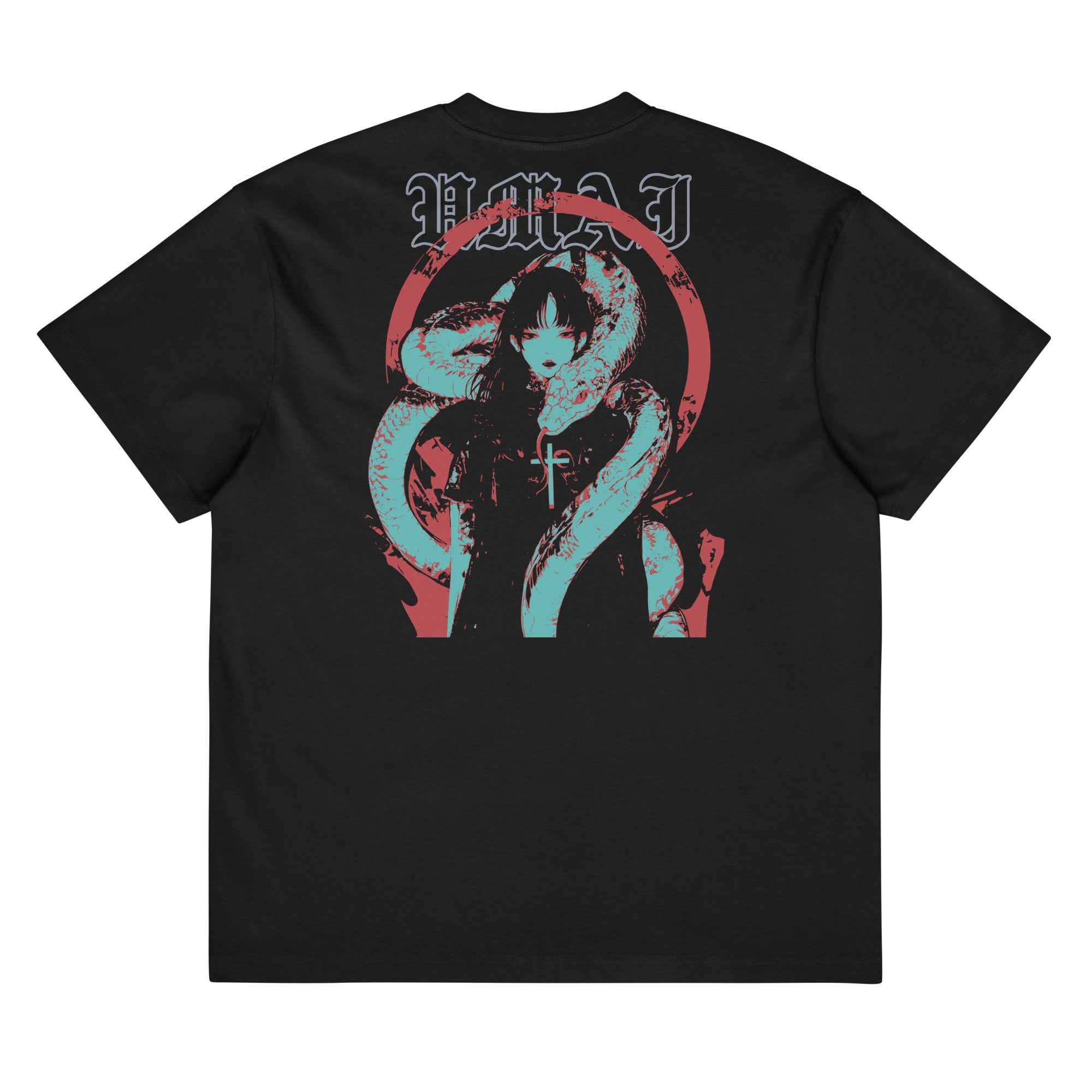
Exploring the Impact of Manga on Global Fashion Trends
The influence of Manga extends far beyond the pages of comic books; it has significantly impacted global fashion trends. As avid fans embrace the vibrant characters and distinctive styles depicted in various Manga series, designers and fashion houses are increasingly drawing inspiration from this unique art form. Elements such as bold colors, exaggerated proportions, and intricate patterns often found in Manga can be observed in contemporary streetwear, haute couture, and even accessories. This cultural amalgamation showcases how Manga serves not only as entertainment but also as a catalyst for creativity in the fashion industry.
Moreover, Manga has fostered the rise of specific subcultures within the fashion scene, such as Harajuku style in Japan, which emphasizes playful and eclectic attire inspired by various Manga characters. This trend has influenced global fashion shows and has been embraced by prominent figures in pop culture. As a result, consumers are increasingly drawn to clothing that reflects their fandom, blurring the lines between fan culture and mainstream fashion. By embracing Manga aesthetics, both designers and fans contribute to a continuous cycle of inspiration and innovation within the fashion world.
Anime has become a global phenomenon, captivating millions with its unique storytelling and artistic styles. For those looking to explore more about this vibrant culture, anime printed materials can provide a fantastic resource. From merchandise to art books, there's something for every fan to enjoy.
How to Incorporate Manga Aesthetics into Your Everyday Wardrobe
Manga aesthetics are not just confined to the pages of your favorite comic; they can also be a vibrant and expressive addition to your everyday wardrobe. To begin incorporating these unique styles, consider integrating bold colors and playful patterns that reflect your favorite characters. Start by adding statement pieces like graphic tees featuring beloved manga series or accessories inspired by iconic elements, such as hair clips resembling your favorite character's hairstyle. Additionally, don't shy away from layering; try pairing a cropped jacket with a flowing, skirt to create an outfit that channels the effortless style of your favorite manga heroes.
Another effective way to embrace manga aesthetics is through the use of layered accessories. Think about incorporating items like oversized bows, colorful bracelets, and unique bags that can easily serve the dual purpose of functionality and flair. You can even experiment with makeup techniques inspired by manga illustrations, such as exaggerating your eye makeup to mimic large, expressive eyes. Remember, the key to mastering manga aesthetics in your wardrobe is to tailor these elements to fit your personal style, ensuring that you feel both comfortable and confident in your unique look.
Why Manga-Inspired Clothing is More Than Just a Trend: A Look at Cultural Significance
Manga-inspired clothing has transcended mere trend status to become an influential aspect of global fashion culture. This unique style draws from the rich visual storytelling of manga, a popular Japanese comic art form, and serves as a canvas for self-expression. The influence of these styles can be observed not only on runways but also in everyday street fashion, where vibrant colors, exaggerated proportions, and whimsical motifs reflect the boldness of the stories they represent. As enthusiasts embrace these designs, they contribute to a growing subculture that honors the artistry of manga while enabling individuals to showcase their personalities through distinct fashion choices.
Moreover, the rise of manga-inspired clothing highlights a significant intersection between traditional Japanese culture and contemporary global fashion. Many pieces incorporate elements like kawaii aesthetics, which celebrate cuteness and playfulness, fostering a sense of community among fans worldwide. This cultural significance of manga clothing not only invites dialogue around art and identity but also encourages younger generations to engage with Japanese culture in a meaningful way. As such, the appeal of these styles extends far beyond fleeting fad status; they invite us to explore the deeper narratives that connect fashion, art, and cultural heritage.