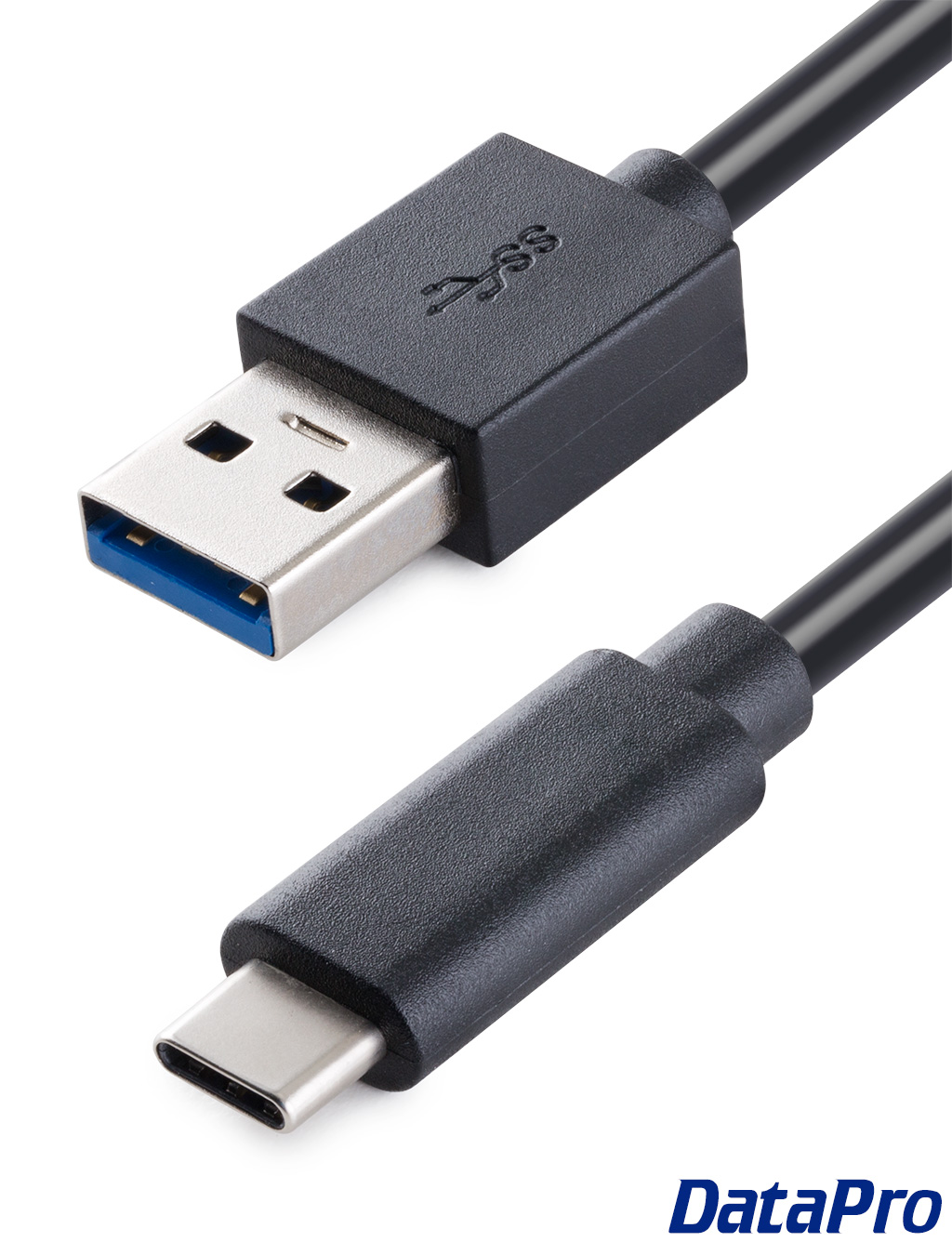
The Evolution of Connectivity: Why USB-C is the Future
The evolution of connectivity has reached a significant milestone with the advent of USB-C, a universal standard that promises to simplify how we connect our devices. Unlike its predecessors, USB-C offers a reversible connector, which means users can plug it in either way without frustration. Over the years, various USB standards have emerged, each striving to increase speed and power delivery. However, USB-C stands out as it is not only capable of delivering up to 100 watts of power but also supports data transfer rates up to 40 Gbps. This versatility makes it a compelling choice for a wide range of applications, from smartphones and laptops to peripherals and docking stations.
As technology continues to advance, the adoption of USB-C is set to become even more prevalent, offering a streamlined experience for consumers and manufacturers alike. One of the most significant advantages is the potential for a single cable to replace multiple connections, reducing clutter and enhancing convenience. For instance, with the introduction of USB-C, devices can quickly transition between charging and data transfer, making life easier for those on the go. As industries standardize around this connector, we can expect to see USB-C becoming the de facto standard, paving the way for a more connected and efficient future.
Counter-Strike is a highly popular first-person shooter game that has captivated millions of players worldwide. It features competitive gameplay where teams of terrorists and counter-terrorists fight to achieve objectives. For those looking to enhance their gaming experience, check out the Top 10 macbook docks which can improve your setup. The game's tactical elements and teamwork make it a staple in the eSports community.
5 Benefits of Switching to USB-C for Your Devices
Switching to USB-C can significantly enhance your device experience. One of the primary benefits is the universal compatibility that USB-C offers. Unlike previous USB standards, which required different connectors for various devices, USB-C is designed to work with multiple types of gadgets, including smartphones, laptops, and tablets. This means you can use a single cable for all your devices, reducing clutter and making it easier to keep your tech setup organized.
Another advantage of adopting USB-C is its impressive data transfer and charging speeds. USB-C supports faster data rates of up to 10 Gbps, allowing you to transfer large files in seconds. Furthermore, it can deliver significant power, with some variants able to charge devices at up to 100 watts. This capability not only expedites charging times for your devices but also supports charging larger devices like laptops, offering a more efficient charging solution.
Is USB-C the Last Connector You'll Ever Need?
The advent of USB-C has generated considerable buzz in the tech community, prompting many to ask: is this the last connector you'll ever need? With its reversible design and universal compatibility, USB-C aims to simplify the plethora of connectors that have historically cluttered our devices. Not only does it support charging, data transfer, and even video output, but its growing adoption across laptops, smartphones, and accessories suggests a potential consolidation of cables in our daily lives. As more manufacturers embrace USB-C, it is poised to become the standard connector, eliminating the need for multiple types of cables.
However, while the promise of USB-C is enticing, it is important to consider the evolving landscape of technology. As new devices emerge and innovation continues, there is always the possibility of new standards being introduced. For instance, with advancements in wireless technologies and potential shifts in energy delivery methods, the USB-C connector may face competition in the future. Ultimately, while USB-C currently stands as a versatile and powerful solution, only time will tell if it truly becomes the last connector you'll ever need.