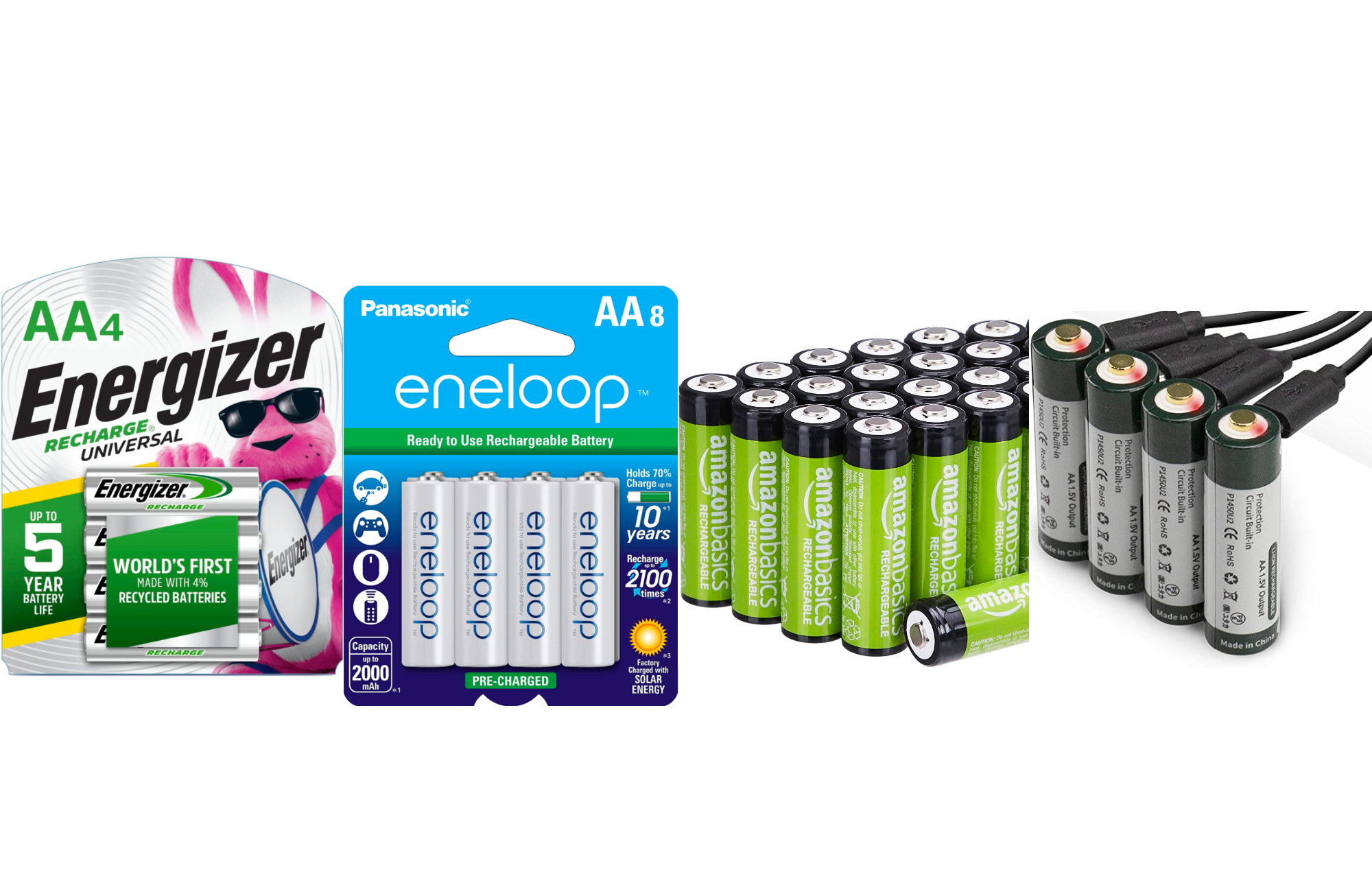
The Future of Energy: How Rechargeable Technology is Changing Our Lives
The future of energy is poised for transformation as rechargeable technology continues to evolve and integrate into our daily lives. With advancements in battery technologies such as lithium-ion and solid-state batteries, we are witnessing a shift towards more sustainable energy solutions. These innovations not only improve energy efficiency but also reduce our carbon footprint significantly. As consumers, we can now harness renewable energy sources—like solar and wind—more effectively through efficient rechargeable devices, leading to a cleaner planet and more accessible energy.
Moreover, the impact of rechargeable technology extends beyond personal gadgets; it permeates various sectors including automotive, healthcare, and home energy systems. For instance, electric vehicles (EVs) powered by advanced rechargeable batteries are not only becoming mainstream but are also paving the way for a transition to zero-emission transportation. Rechargeable technology is also enhancing our lifestyles through smart home systems that optimize energy consumption. In the coming years, we can expect even greater strides in this field, making sustainable energy sources a cornerstone of daily life and significantly influencing our energy consumption patterns.
Counter-Strike Overview
Counter-Strike is a popular tactical first-person shooter game that has captivated players around the world since its release. The game emphasizes teamwork and strategy, challenging players to work together to complete objectives and defeat the opposing team. For players looking to enhance their mobile photography experience, check out the Top 10 Selfie Lights for iPhone 17 which can help capture the perfect gaming moments. With its competitive scene and community-driven content, Counter-Strike continues to be a staple in the esports arena.
Top 5 Benefits of Switching to Rechargeable Devices
Switching to rechargeable devices offers numerous advantages, particularly in terms of sustainability and cost efficiency. First and foremost, rechargeable devices significantly reduce waste, as they can be used multiple times, helping to minimize the environmental impact of disposable batteries. By choosing these eco-friendly alternatives, consumers are contributing to a cleaner planet and reducing the amount of hazardous waste that ends up in landfills.
In addition to their environmental benefits, rechargeable devices provide long-term savings. Although the initial investment may be higher, the cost of continuously purchasing disposable batteries adds up over time. With rechargeable options, users can save money while enjoying uninterrupted power. Moreover, many modern rechargeable devices come equipped with advanced technology that enhances their efficiency and lifespan, further solidifying their position as a cost-effective choice for both consumers and businesses.
Is Going Rechargeable Really Sustainable? A Deep Dive into Environmental Impact
As consumers become increasingly aware of the environmental impact of their choices, the shift towards rechargeable products has gained momentum. While these products offer the convenience of repeated use and reduced waste, it’s essential to examine their overall sustainability. Rechargeable batteries, for instance, can significantly decrease the number of single-use batteries disposed of in landfills, which can take decades to decompose. However, the manufacturing process of rechargeable batteries often involves toxic materials and fossil fuels, leading to emissions that may offset their durability benefits. It’s crucial to consider the full lifecycle of these products, from production to disposal, to accurately assess their environmental impact.
Moreover, the sustainability of rechargeable products hinges on consumer behavior. A life cycle assessment of a rechargeable battery typically shows that robust recycling and proper usage can amplify its positive ecological effects. For example, with a proper recycling system in place, around 95% of the materials in batteries can be recovered, minimizing resource extraction for new products. In contrast, if rechargeable users do not practice proper disposal or recycling, the initial benefits can quickly dwindle. Thus, while the movement toward rechargeable technology can be a step in the right direction, the true measure of sustainability lies in responsible consumer choices and systemic support for recycling initiatives.