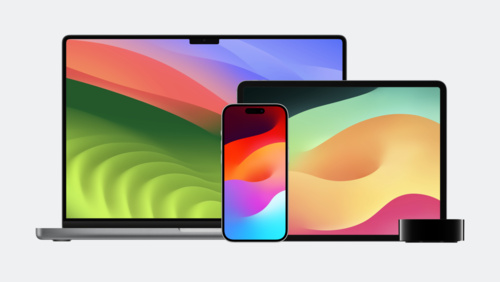
How Smart Gadgets are Revolutionizing Home Living
The rise of smart gadgets has transformed the way we experience home living, offering unparalleled convenience and efficiency. From smart thermostats that learn your preferences to voice-activated assistants that manage daily tasks, these innovative devices are designed to enhance our comfort and streamline our routines. For instance, with just a simple voice command, you can control lighting, adjust the temperature, or even play your favorite music, all without lifting a finger. The use of smart technology not only elevates our living spaces but also promotes energy efficiency, allowing homeowners to reduce their utility bills and environmental footprint.
Furthermore, smart home devices provide enhanced security features that give homeowners peace of mind. Smart locks, video doorbells, and security cameras can be monitored remotely, enabling users to keep an eye on their property from anywhere in the world. Additionally, many of these gadgets can interact with each other, creating a fully integrated home ecosystem. For instance, your security system can notify you if a door is left unlocked, and your lights can automatically turn on when you arrive home. As more households adopt smart gadgets, the future of home living looks brighter and more connected than ever.
Counter-Strike is a popular multiplayer first-person shooter game that has captivated gamers since its release. With its competitive gameplay and team strategy, it has become a staple in the esports community. Players can enhance their gaming experience with various gadgets, including mobile accessories. For instance, check out the Top 10 iPhone 17 Pro accessories for your gaming setup to improve performance and comfort.
The Rise of Wearable Technology: Enhancing Health and Productivity
The rise of wearable technology has transformed the way individuals monitor their health and boost productivity. Devices such as smartwatches, fitness trackers, and even smart clothing have become commonplace, offering users real-time data about their physical activity, heart rate, and sleep patterns. With features like notifications and health tracking apps, these gadgets not only foster a more active lifestyle but also enhance overall well-being. According to a recent study, over 50% of adults now own a wearable device, showcasing a significant shift towards technology-driven health management.
In addition to health benefits, wearable technology also plays a crucial role in improving productivity in both personal and professional settings. For instance, features like calendar alerts, message notifications, and voice commands allow users to stay connected without constantly checking their smartphones. This capability streamlines workflows and minimizes distractions, enabling individuals to focus on their tasks effectively. As the integration of wearable tech continues to expand within various industries, it paves the way for innovations that promote efficiency while maintaining a balance between health and work.
Are We Too Dependent on Technology? The Impact of Smart Devices on Daily Routines
The rise of smart devices has transformed our daily routines, making them more streamlined yet raising concerns about our dependence on technology. From smartphones and tablets to smart home devices, these tools have become integral to how we function. Many individuals now rely on applications for everything from managing their schedules to controlling home appliances, leading to a situation where tech is not just an accessory but a necessity. This increasing reliance begs the question: have we allowed ourselves to become too reliant on these devices, potentially sacrificing essential skills such as time management and critical thinking?
Moreover, the impact of smart devices extends beyond mere convenience; it affects our interpersonal relationships and mental health. Studies indicate that excessive screen time can lead to a decline in face-to-face communication skills and even result in anxiety and depression. As people become more engrossed in their screens, they may find themselves missing out on meaningful experiences and interactions in the real world. To address these concerns, it's essential for individuals to find a balance in their usage and to critically evaluate the extent of their dependency on technology.