Understanding Electric Vehicle Charging: Types, Times, and Tips
Understanding Electric Vehicle (EV) Charging is crucial for both new and experienced electric car owners. There are primarily three types of charging: Level 1, Level 2, and DC Fast Charging. Level 1 charging utilizes a standard household outlet and is the slowest method, typically adding about 4-5 miles of range per hour. Level 2 charging, often found at public charging stations and in homes with specialized equipment, can provide 10-60 miles of range per hour. In contrast, DC Fast Charging delivers rapid power, allowing drivers to charge their vehicles to 80% in approximately 30 minutes, making it ideal for long-distance travel.
In addition to understanding the different types of EV charging, it's essential to consider charging times and some practical tips. Charging times can vary significantly based on the type of charger used and the EV’s battery capacity. For example, while a Level 1 charger may take overnight to fully charge a vehicle, a Level 2 charger can usually complete the job in a few hours. Here are some tips for efficient charging:
- Plan your charging schedule around your regular routes to maximize convenience.
- Utilize charging apps to locate nearby charging stations.
- Consider home charging solutions for overnight charging convenience.
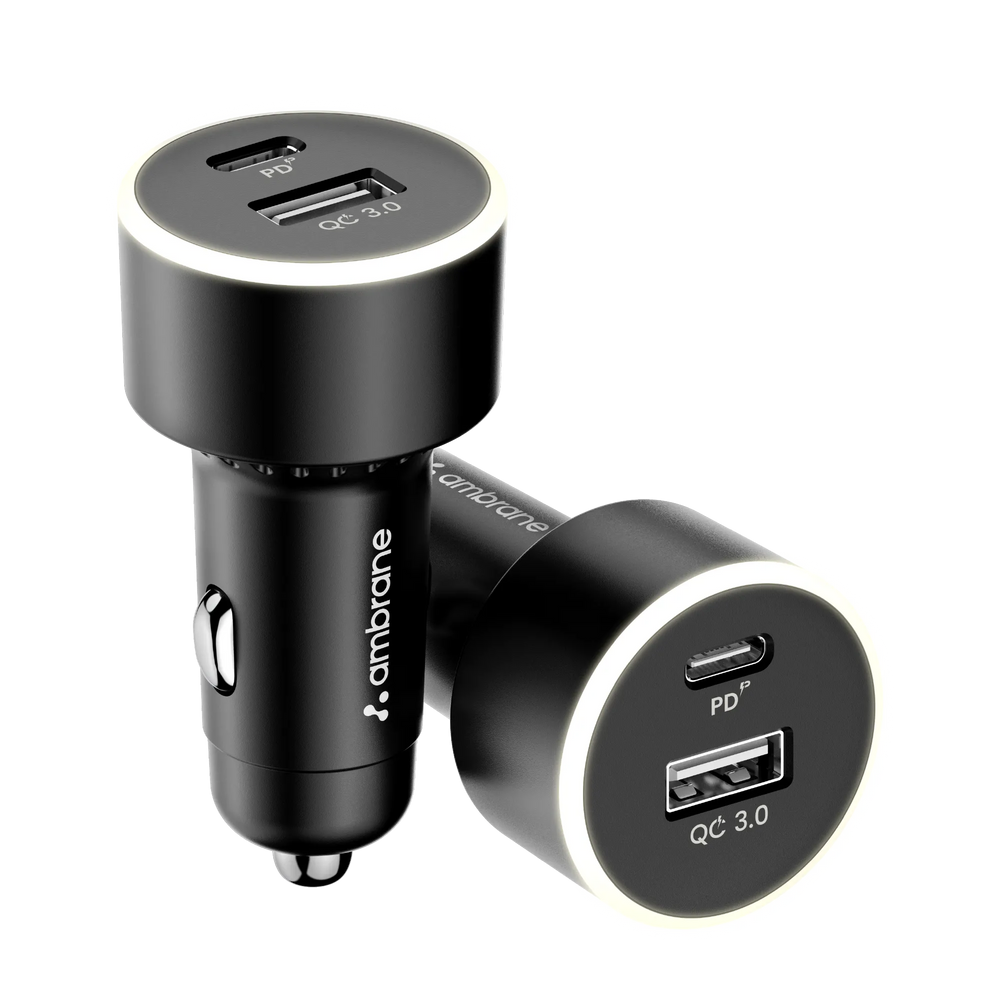
Counter-Strike is a popular multiplayer first-person shooter game that pits two teams against each other: terrorists and counter-terrorists. Players can choose from various weapons and tactics to accomplish objectives such as bomb defusal or hostage rescue. If you're interested in gaming accessories, check out the Top 10 Car Chargers for Apple Watch to enhance your gaming experience on the go.
The Future of Fully Powered Driving: Innovations on the Horizon
The future of fully powered driving is on the brink of a revolutionary transformation, thanks to rapid advancements in technology. With the rise of electric vehicles (EVs) and autonomous driving systems, we are witnessing the convergence of two powerful trends that promise to redefine our roads. Innovations such as solid-state batteries are set to drastically improve the range and efficiency of EVs, enabling longer journeys without the anxiety of running out of power. Furthermore, the integration of artificial intelligence (AI) in navigation systems will lead to safer and more efficient driving experiences, allowing vehicles to communicate with each other and the infrastructure around them.
Moreover, the development of smart traffic management systems will play a crucial role in shaping the landscape of fully powered driving. By leveraging real-time data, these systems can optimize traffic flow and reduce congestion, making urban environments more livable. Furthermore, as more cities commit to sustainable initiatives, we can expect to see a rise in renewable energy charging stations, facilitating a greener way to power our vehicles. As we look towards the horizon, the innovations in fully powered driving are set to create a more connected, safe, and eco-friendly transportation network.
How to Optimize Your EV's Battery Life: Myths and Facts
Electric vehicles (EVs) have gained immense popularity in recent years, and understanding how to optimize your EV's battery life is crucial for any owner. There are various myths circulating about battery management that can lead to improper charging habits. One common misconception is that you should always charge your EV to 100%. In reality, keeping your battery charge between 20% to 80% can significantly enhance its lifespan. Additionally, frequent fast charging can contribute to battery degradation, making it essential to utilize regular charging when possible.
On the other hand, while it's true that extreme temperatures can affect battery performance, it’s a myth that EV batteries are highly susceptible to cold weather. Modern EVs are designed with thermal management systems to regulate temperature, ensuring optimal performance in various conditions. To further optimize your EV's battery life, consider using regenerative braking, which recovers energy typically lost during acceleration. Maintaining tire pressure and avoiding heavy loads can also make a meaningful difference in battery efficiency, allowing you to enjoy your electric vehicle's capabilities fully.